


Preparing Your Body for Hiking: How to Reduce the Risk of Injury on the Trail
Whether you’re planning a leisurely walk through a local park or a full-day mountain hike, spending time on the trails is a great way to stay active this summer. But hiking asks more of your body than many people realize. Long climbs, uneven terrain, and hours on your feet can quickly add up, especially if your body isn’t prepared for it.
Taking a little time to prepare your body can help reduce your risk of strains, sprains, and overuse injuries. After all, the best way to recover from a hiking injury is to avoid one in the first place!
Don’t Let Your First Hike Be Your Warm-Up
One of the biggest mistakes hikers make is going from sitting at a desk all week to spending several hours climbing uneven terrain. Preparing your body throughout the week before a hike helps build the strength and endurance needed. Even a few short sessions can make the trail feel noticeably easier.
Some great ways to prepare include:
- Walking
- Climbing stairs
- Cycling
- Bodyweight strength training
- Balance exercises.
You don’t need to do all of them. Even incorporating one or two into your weekly routine ahead of a hike can make a difference.
Strengthen the Muscles That Do the Work
Your legs aren’t the only muscles working during a hike. Your hips, glutes, core, and calves all help stabilize your body as you navigate uneven ground, rocky trails, and steep inclines. As those muscles begin to tire, your joints must absorb more of the workload. That’s often when little aches start to creep in.
Many hiking injuries don’t happen because someone is out of shape. They happen because the body gets tired, and tired muscles don’t stabilize your joints as well.
Exercises like squats, lunges, step-ups, glute bridges, calf raises, and planks all mimic the movements your body performs on the trail, making them excellent additions to your routine.
Improve Your Balance Before You Need It
Unlike walking on pavement, hiking constantly challenges your balance. Roots, rocks, loose gravel, and uneven surfaces require your body to react quickly.
If you’ve ever rolled an ankle stepping on a loose rock, you already know how quickly a great hike can change!
Simple exercises like standing on one leg, heel-to-toe walking, single-leg deadlifts, or using a balance board can help improve stability and may reduce the risk of slips and ankle injuries.
Warm Up Before You Hit the Trail
Many people stretch once they reach the trailhead, or skip warming up entirely. Instead, spend five to ten minutes preparing your muscles with gentle movement before you start. Getting your blood flowing helps your body transition into activity more comfortably.
A simple warm-up might include:
- Brisk walking
- Leg swings
- Walking lunges
- Hip circles
- Calf raises
- Bodyweight squats.
Don’t Forget About the Descent
Most people expect the climb to be the hardest part of a hike, but going downhill is often where your knees and ankles take the biggest beating. If you’ve ever noticed your knees getting sore on the way back down, you’re not alone!
Taking shorter steps, keeping your knees slightly bent, and resisting the temptation to rush downhill can help reduce unnecessary strain and improve your control on uneven terrain.
Gear Up for Success
The gear you bring can have a bigger impact on your comfort than you might think. Wear supportive footwear that’s appropriate for the terrain and make sure new hiking boots are broken in before a longer hike. A properly fitted backpack can help distribute weight more comfortably and reduce strain on your shoulders and back. For steeper hikes, consider using hiking poles, which help reduce pressure on your knees, improve balance, and help conserve energy.
It’s also worth dressing for the conditions. Moisture-wicking layers can help you stay comfortable as temperatures change, while a hat, sunglasses, and sunscreen help protect you from the sun during long days on the trail. Don’t forget to bring enough water! Staying hydrated is one of the simplest ways to help your body perform at its best, especially on warmer days or longer hikes.
Pace Yourself
It’s easy to get caught up in reaching the summit. Starting at too fast a pace can lead to early fatigue, increasing the chance of poor movement patterns later in the hike. Remember, hiking isn’t a race, a steady pace will usually get you farther and leave you feeling better at the end of the day.
Remember to:
- Take regular breaks
- Stay hydrated
- Eat small snacks during longer hikes
- Listen to your body.
Don’t Ignore Small Aches and Pains
A little muscle fatigue is normal after hiking, persistent pain isn’t.
If you notice recurring pain in your knees, hips, ankles, lower back, or feet, it may be a sign that your body could benefit from an assessment before the problem becomes more significant. Addressing small issues early is often much easier than recovering from a more serious injury.
How Physiotherapy and Chiropractic Care Can Help Hikers
Hiking should leave you with great memories, not lingering aches that stick around for weeks. If you’re noticing recurring pain before, during, or after your hikes, it may be worth having it assessed before it turns into something that keeps you off the trail.
Depending on your needs, a healthcare provider may recommend treatment or exercises to help improve mobility, address muscle imbalances, or support recovery after activity.
With a little preparation, the right equipment, and attention to how your body is feeling, you can spend less time recovering from aches and pains and more time enjoying the trail!
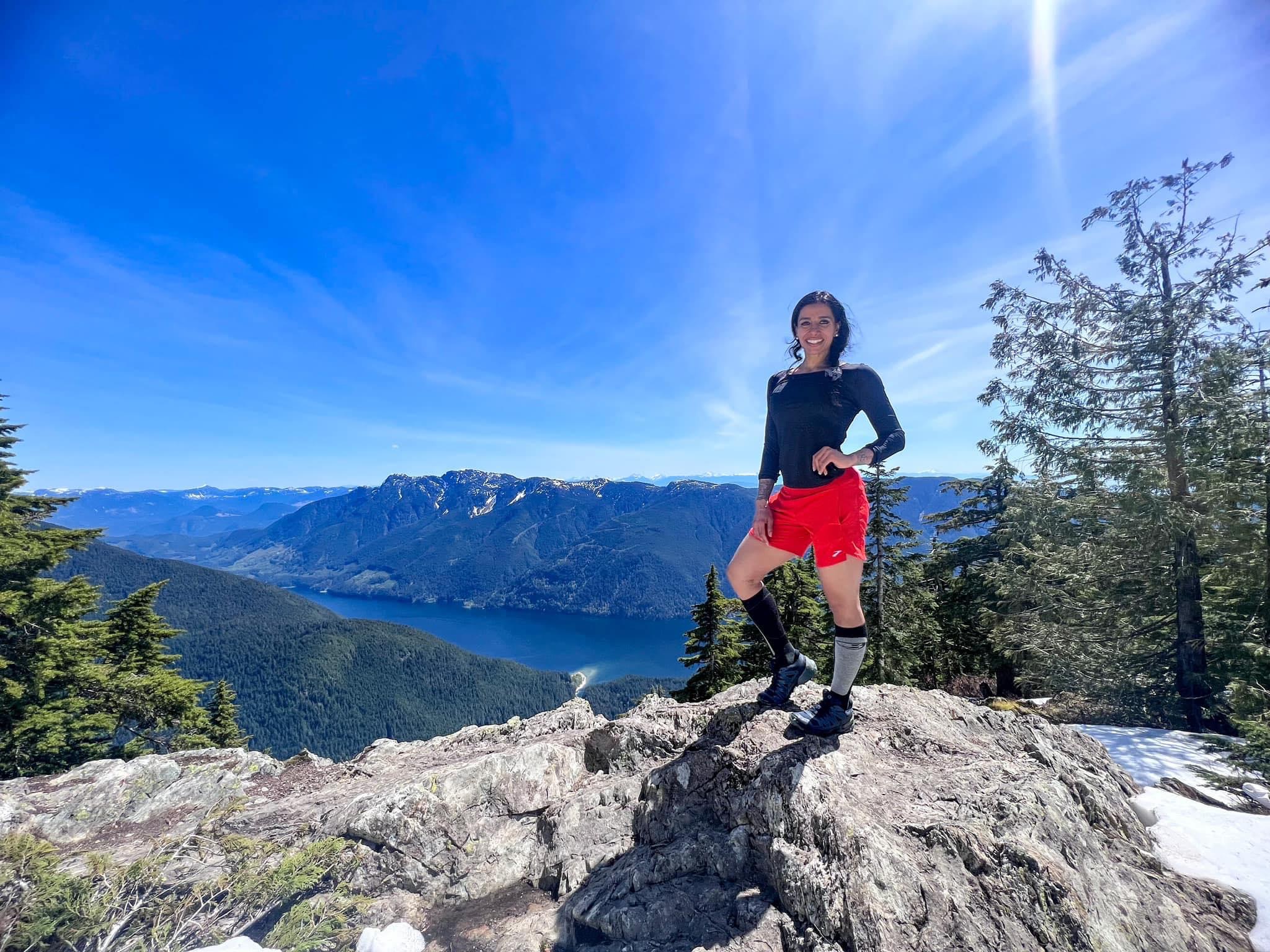
Restore Practitioner Anna Rai on a hike
Leave A Comment
You must be logged in to post a comment.