


Shockwave Therapy: What to Know & Expect
If you’ve heard about shockwave therapy, chances are your first reaction was something like:
“Wait… shockwave? That sounds intense.”
You’re not alone. The name can feel misleading, so let’s break it down and clear up some of the most common misconceptions.
What It Is (and What It Isn’t)
Despite how it sounds, shockwave therapy doesn’t “shock” your body.
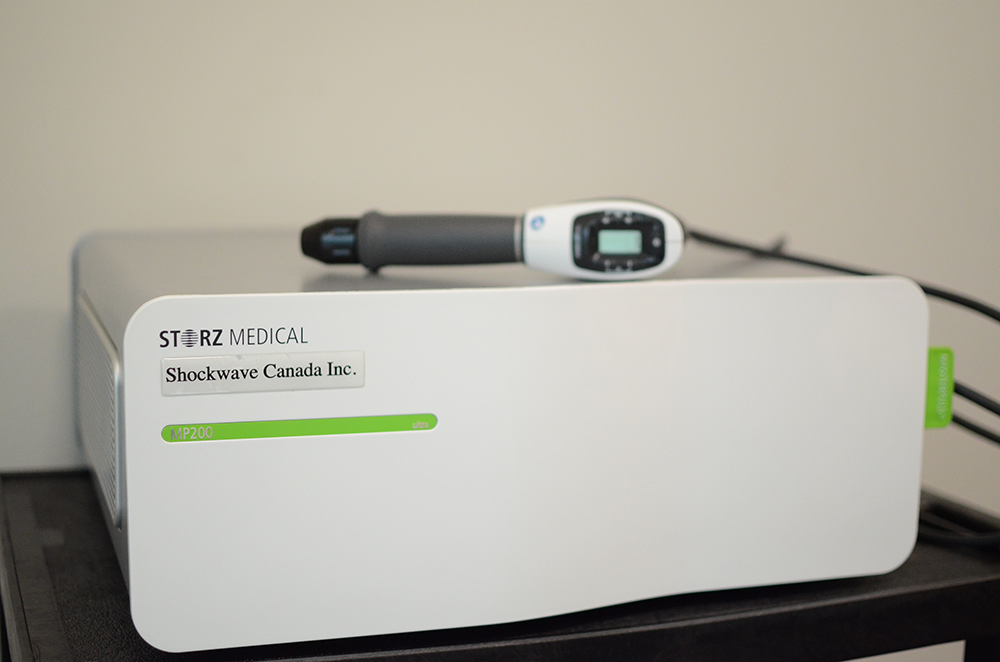
It uses acoustic pressure waves applied to the surface of the skin. In clinical settings, practitioners use these waves to support the body’s natural healing processes and help improve circulation in targeted areas.
So what’s actually happening?
- The device delivers mechanical pressure waves into the tissue
- These waves interact with the area being treated
- The process aims to stimulate local responses within the tissue
Shockwave therapy is also completely non-invasive:
- No needles
- No incisions
- No downtime after treatment
What It Feels Like
This is usually the biggest concern going in.
Most people don’t experience it as a “shock.” Instead, they describe:
- A tapping or pulsing sensation
- Pressure over the treatment area
- Increased sensitivity in certain spots
Some areas may feel more intense, especially if they’re already irritated. However, most people tolerate treatment well, and practitioners can adjust the intensity throughout the session and work with you to keep it manageable. Sessions are typically short, which helps make the experience easier to handle.
What to Expect from Treatment
Shockwave therapy isn’t a one-time fix.
Responses vary from person to person. Some people notice changes early, while others need a few sessions before noticing a difference. For that reason, practitioners often recommend a short series of treatments rather than a single visit.
In many cases, shockwave therapy works best alongside other approaches that support overall progress, including:
- Exercise or rehab programs
- Manual therapy (hands-on techniques like soft tissue work or joint mobilization)
- Mobility or movement work
Who Might Consider Shockwave Therapy?
Shockwave therapy may suit people dealing with ongoing or stubborn discomfort that hasn’t improved with other approaches.
Clinics often include it as part of a treatment plan for:
- Tendon-related concerns
- Areas of persistent tightness or irritation
- Overuse-related issues
However, it isn’t the right fit for everyone. A proper assessment helps determine whether it makes sense for your specific situation and goals.
Learn more about shockwave therapy assessments at Restore’s South Surrey clinic, including current providers and booking information.
If something’s been bothering you and not improving, getting it checked early can help guide your next steps. Give us a call and we’ll help you figure out what makes the most sense for you.
Leave A Comment
You must be logged in to post a comment.