


How Long Travel Can Affect Your Body (And What You Can Do About It)
Summer is one of the busiest travel seasons of the year. Whether you’re heading out on a weekend road trip, flying across the country, or finally taking that long-awaited vacation, your body may be spending more time sitting than it’s used to.
Why Does Travel Leave You Feeling Sore?
Our bodies are designed to move. Spending several hours in the same position can place extra stress on muscles and joints, reducing circulation and leaving you feeling stiff and tight.
Some of the most common travel-related aches and pains include:
- Neck and shoulder tension
- Lower back discomfort
- Tight hips and hamstrings
- Stiff knees and ankles
- Swollen feet or ankles
- General muscle stiffness
- Fatigue from disrupted sleep and changes in routine
Travel can also make existing aches more noticeable. A shoulder that occasionally feels tight or a lower back that’s been bothering you for a while may become more uncomfortable after a long day of sitting.
Long Flights vs. Long Car Rides
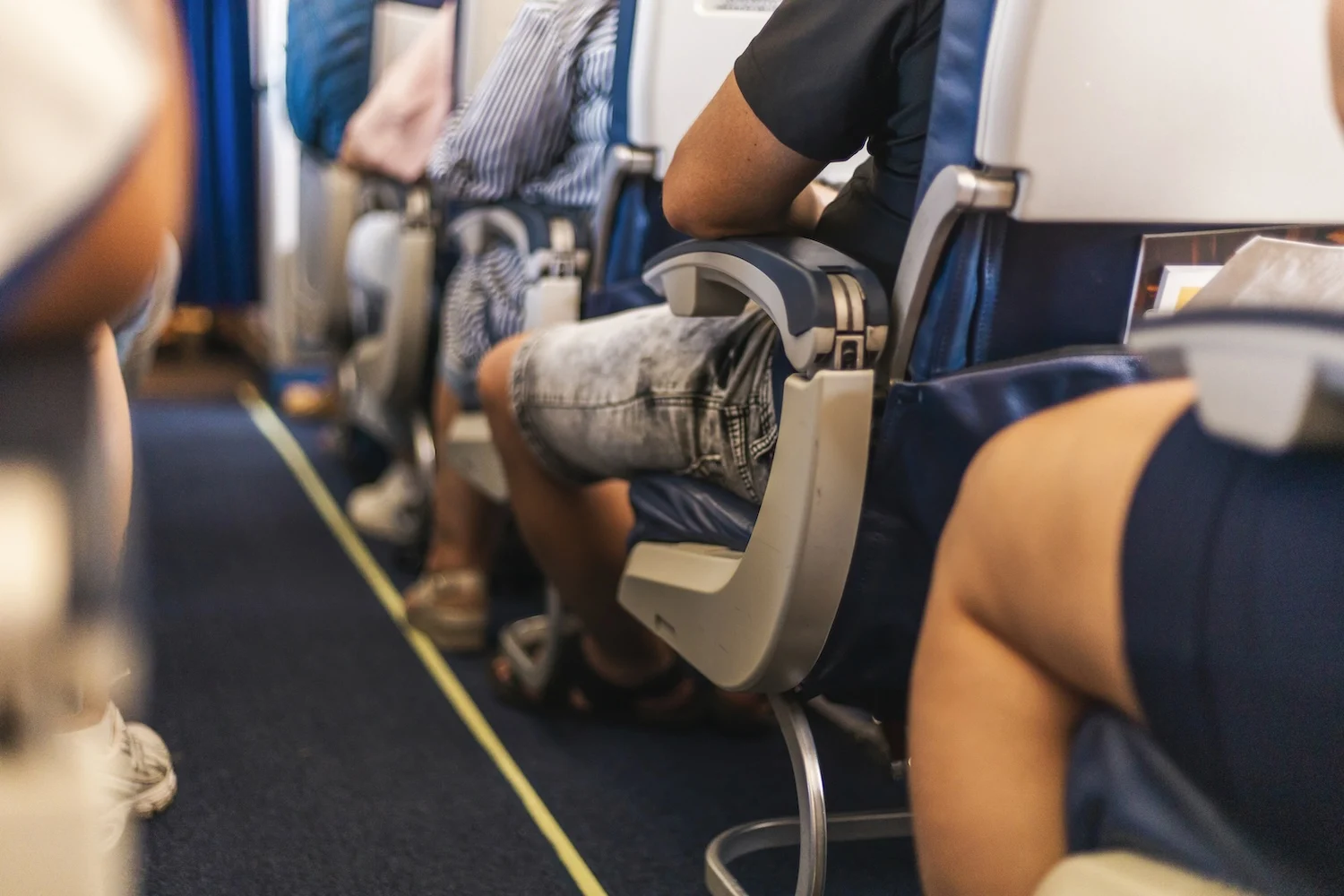
Whether you’re flying or driving, staying in one position for several hours can leave your body feeling stiff and sore.
Flying often contributes to neck and lower back discomfort, tight hips, and swollen feet or ankles after long periods of sitting.
Driving can place added strain on your neck, shoulders, and lower back, especially if you’re behind the wheel for hours at a time or don’t take regular breaks to stretch.
No matter how you’re travelling, building in opportunities to move whenever possible can help reduce stiffness and keep you feeling more comfortable throughout your journey.
Simple Ways to Stay Comfortable While You Travel
A little preparation can go a long way toward helping your body feel its best during your trip.
Here are a few simple tips:
- Get up and move around every hour or two whenever possible.
- Take a few minutes to stretch your neck, shoulders, hips, calves, and back during breaks.
- Stay hydrated throughout your journey, especially during flights.
- Support your lower back with a small travel pillow or rolled towel if it feels more comfortable.
- Wear supportive, comfortable footwear if you’ll be walking long distances through airports or sightseeing.
- Lift luggage using your legs rather than bending at your waist.
- If you’re driving, share driving responsibilities when possible.
- Ease back into activities after long travel days instead of trying to fit everything into your first day.
Small changes like these can make a noticeable difference, especially during longer trips.
When Should You Pay Attention to Pain?
Some mild stiffness after travelling is completely normal and often improves within a day or two.
However, if discomfort lingers, becomes more intense, or starts interfering with your daily activities, it may be worth having it assessed.
Sometimes travel doesn’t create a new injury. Instead, it can aggravate an issue that was already developing beneath the surface.
How Restore Rehabilitation & Wellness May Help
If you’re still feeling stiff or sore after your trip, it may be worth having your symptoms assessed rather than hoping they’ll go away on their own.
Depending on what’s contributing to your discomfort, treatments such as Physiotherapy, Chiropractic Care, or Massage Therapy may help reduce pain, improve mobility, and support your recovery.
Our team can work with you to identify the cause of your symptoms and create a treatment plan that’s tailored to your needs.
Enjoy the Journey, Not Just the Destination
Travel is meant to create lasting memories, not lingering aches and pains.
By taking regular movement breaks, staying hydrated, and listening to your body throughout your journey, you can help reduce stiffness and enjoy your vacation with greater comfort.
And if you’re still feeling sore after you’ve unpacked your suitcase, the team at Restore Rehabilitation & Wellness is here to help you get back to moving comfortably, so you’re ready for wherever your next adventure takes you.
Leave A Comment
You must be logged in to post a comment.